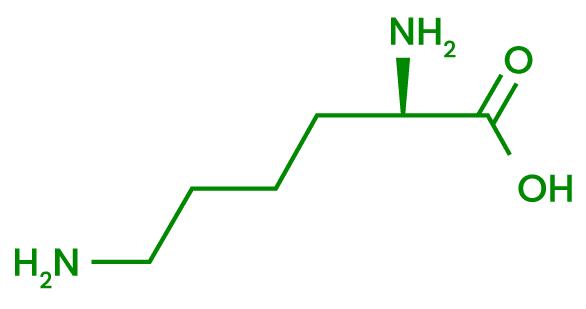
Polylysine is a biotechnology-derived, cationic polyamino acid produced via the fermentation of natural substrates (typically using Streptomyces albulus). Unlike standard chemical preservatives, Polylysine consists of a chain of 25–35 L-lysine residues. This unique structure grants it high efficacy as a natural, broad-spectrum antimicrobial and surfactant, making it a “clean-label” powerhouse for high-water-content cosmetic and personal care formulations.
Key Benefits and Performance
-
True Broad-Spectrum Mastery: Polylysine is demonstrates high efficacy against Gram-positive bacteria, Gram-negative bacteria, yeasts, and moulds simultaneously.
-
Superior Thermal Stability: It is highly heat-resistant and maintains its structural integrity even during high-temperature emulsification processes
-
Universal pH Resilience: Its antimicrobial mechanism is physical rather than chemical; it works across a wide pH range. This allows for total formulation flexibility, from acidic peels to neutral-pH hair care.
-
Cationic Surfactant Properties: Due to its polycationic nature (multiple positive charges), it serves as a secondary surfactant. It is particularly effective in hair care for reducing static and improving the deposition of other actives onto the hair shaft.
-
Exceptional Safety Profile: Backed by comprehensive chronic toxicity studies and awarded GRAS (Generally Recognised as Safe) status by the US FDA. It has a long, proven history of safety in the food industry, specifically in Japan.
Formulation Guidelines
-
Incompatibility Note: As a strongly cationic (positively charged) molecule, Polylysine may interact or precipitate when combined with anionic (negatively charged) surfactants like SLS or SLES. It is best suited for non-ionic, cationic, or amphoteric systems.